With WHEEL, cycling as a tool for rebuilding the lives of women who have experienced violence
Can sport help mend broken lives? Behind this question, the European WHEEL project offers a concrete answer, almost the opposite of traditional approaches: using cycling not as a leisure activity or a competitive sport, but as a tool for recovery for women who have experienced violence.
Led by a consortium of European organisations, the project tackles a blind spot in public policy. For whilst support for victims is improving across Europe, one aspect remains largely neglected: the relationship with the body following violence. Isolation, loss of confidence, long-term psychological or physical issues… these are all consequences that existing support systems do not always address.
The body as a starting point
This is precisely where WHEEL comes in. Its premise: recovery is not achieved solely through talking or psychological support, but also through the body.
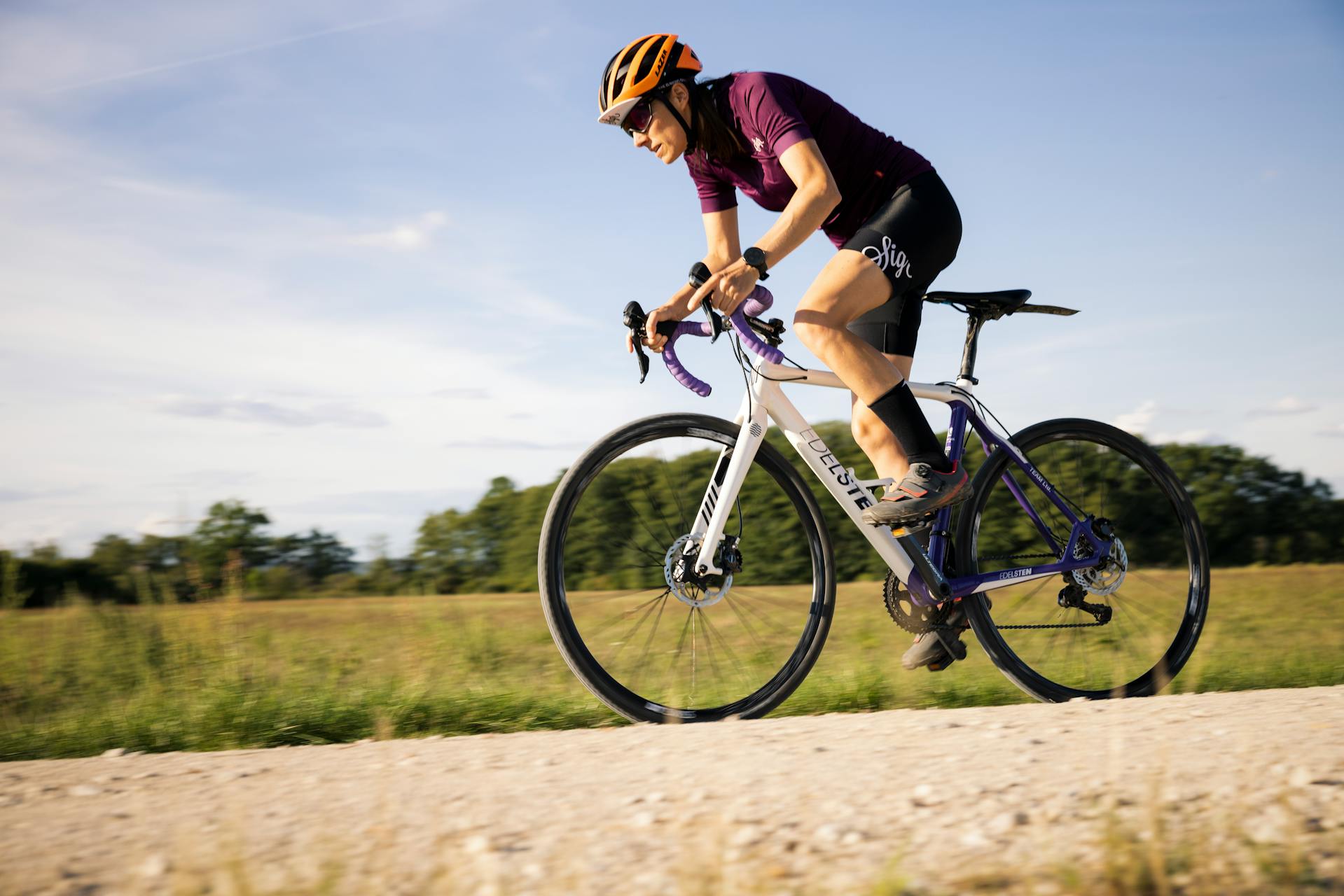
In several European countries, the project runs cycling workshops for women who have experienced domestic, sexual or intra-family violence. Far from being merely a sporting activity, these sessions are designed as safe spaces, supervised by sports professionals and, where appropriate, by medical or social workers.
The aim is less about ‘cycling’ than about relearning to inhabit one’s body. Rediscovering sensations, regaining confidence, reclaiming simple movements. And, gradually, rebuilding connections with others.
The choice of cycling is no accident. Accessible, adaptable and relatively undemanding physically, it allows for gentle progression. It also offers a tangible form of autonomy: getting around on one’s own, gaining independence and expanding one’s living space.
A Europe-wide experiment
But WHEEL is not limited to local workshops. The project is part of a wider-scale experimental approach. The aim is twofold: to test, then to structure.
First, to test by measuring the actual effects of these programmes on participants: changes in well-being, confidence and autonomy, as well as any potential impact on social or professional integration.
Structuring, next, by transforming these experiences into a replicable model. Ultimately, the partners aim to define a European framework for action, which could be adopted by clubs, associations or institutions in other national contexts.
For the situation is clear: despite the proliferation of initiatives centred on sport and inclusion, few schemes are specifically aimed at victims of violence, and even fewer incorporate a so-called ‘trauma-informed’ approach.
Training to change practices
The project also highlights another challenge: the training of sports coaches.
Today, coaches and trainers are rarely prepared to support people who have experienced trauma. Yet, without an appropriate framework, sporting activity can become counterproductive, or even reignite certain forms of past violence.
WHEEL therefore plans to train coaches in these specific approaches, equipping them with the tools to understand the effects of violence and adapt their practices. This is a way of ensuring the project’s long-term impact, extending beyond the participants themselves.
Generating evidence, beyond mere rhetoric
In the field of social sport, there are numerous initiatives, but evidence of impact often remains limited. This is one area where WHEEL aims to stand out.
Participant follow-ups, questionnaires, feedback, data analysis: the project aims to document its effects in detail. Not to legitimise sport as a solution a priori, but to determine under what conditions it can genuinely play a role in recovery.
In this approach, Sport and Citizenship plays a special role. The think tank, a partner in the project, does not participate directly in the workshops. Its role is to analyse the actions carried out, measure their impact and organise their dissemination.
In other words, to transform a field experiment into a tool for reflection and decision-making, capable of informing public policy and being replicated.